

Hallo Leute!
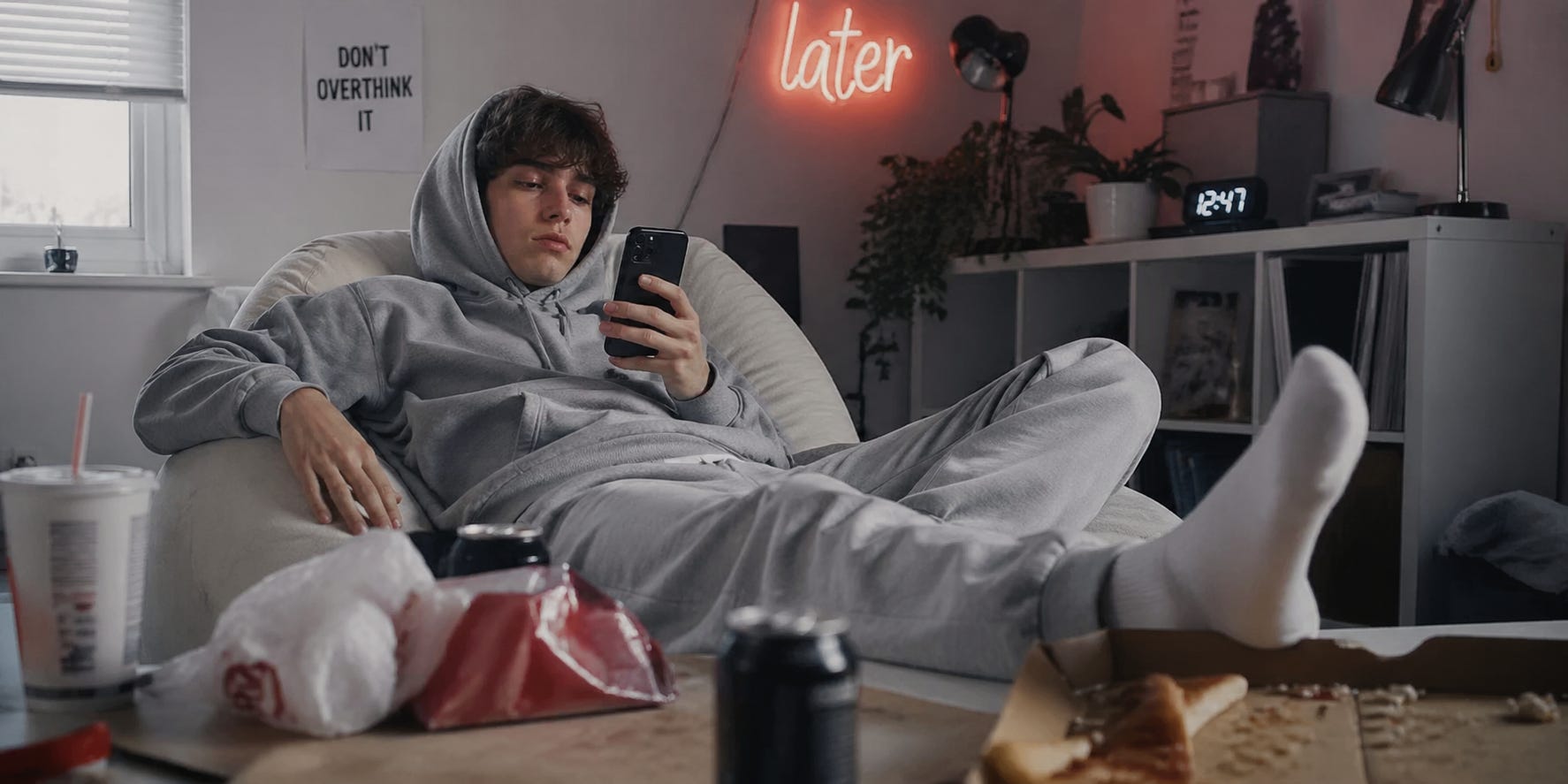
The assumption that Generation Z (born roughly between 1995 and 2010) fundamentally does not want to work is a myth. Studies show that they are just as productive as previous generations. Why does this myth persist, though?
Let’s explore in German.
Part 1 - Read 👀
Read the Dialogue (out loud if you can)
Anja: Ich sag's dir, Felix - diese Gen Z macht mich wahnsinnig ⍟. Wir haben letzte Woche zwei neue Praktikanten gehabt, beide Anfang zwanzig, und der eine hat mich tatsächlich gefragt, ob Freitagnachmittag wirklich Pflicht ist.
Felix: Okay, das ist ein schlechtes Beispiel. Aber das ist halt nicht repräsentativ für eine ganze Generation.
Anja: Ich hab aber mehr als ein Beispiel. Alle meine Kollegen sagen dasselbe - die wollen Homeoffice, kurze Tage, viel Feedback, und bloß keinen Stress ⍟. Das war bei uns nicht so.
Felix: Ich hab da mal ein bisschen reingelesen ⍟. Studien zeigen eigentlich, dass Gen Z nicht weniger leisten will - die wollen nur anders arbeiten. Sinnvoller, flexibler, mit klaren Grenzen zwischen Arbeit und Freizeit. Das ist keine Faulheit, das ist ein anderes Modell.
Anja: Ein anderes Modell… Das klingt nach einer netten Umschreibung für: ich will nicht so viel arbeiten.
Felix: Nein, ernsthaft. Die Burnout-Zahlen bei unter Dreißigjährigen sind in den letzten Jahren deutlich gestiegen - die sind nicht faul, die sind vorsichtiger. Die haben gesehen, was mit der Generation davor passiert ist.
Anja: Oder sie haben einfach weniger Biss ⍟. Ich mein, wir haben auch Stress gehabt, wir haben auch Überstunden gemacht - und haben nicht ständig über Work-Life-Balance geredet.
Felix: Weil's damals kein Thema war. Das heißt nicht, dass es falsch ist, darüber zu reden.
Anja: Felix, ich find's ja gut, dass du das alles recherchiert hast. Aber ich arbeite täglich mit denen zusammen - und was ich sehe, passt nicht zu deinen Studien.
Felix: Vielleicht liegt's auch ein bisschen am Umfeld ⍟.
Anja: Vielleicht. Oder die Studien liegen falsch.
Felix: Das ist auch eine Möglichkeit, ja.
Anja: Siehst du. Freitagnachmittag ist übrigens Pflicht.
You just read how people actually talk about this topic. Now comes the part that makes it stick: hearing it, understanding the expressions, and using them yourself.

Part 2 - Listen 👂
Hear the Dialogue (switch to slow version if the original is too quick)
Audio 🎧
Slow Audio ⏳

Part 3 - Understand 💡
Read the explanations & translation (take your time, ask questions in the comments if something is unclear)
A) Explanations 💬
⍟ macht mich wahnsinnig – A very common spoken expression used to vent frustration about a person, situation, or behaviour that is driving you up the wall, informal and direct but not aggressive. (English: “is driving me crazy” or “drives me absolutely mad”, literal: “makes me insane”)
⍟ bloß keinen Stress – A spoken phrase used to express a strong desire to avoid pressure or conflict, often said with mild exasperation when describing someone else’s attitude or as a genuine personal preference in casual conversation. (English: “absolutely no stress” or “just no hassle, please”, literal: “just no stress”)
⍟ ein bisschen reingelesen – A natural spoken phrase used to describe having done some light, informal reading into a topic without claiming to be an expert, common when someone wants to share what they found without overstating their knowledge. (English: “done a bit of reading on it” or “looked into it a little”, literal: “read a little into it”)
⍟ sie haben einfach weniger Biss – A colloquial spoken expression used to say that someone lacks drive, hunger, or tenacity, often said when comparing generations, teams, or individuals in a competitive or professional context. (English: “they just have less bite” or “they just don’t have the same drive”, literal: “they simply have less bite”)
⍟ vielleicht liegt’s auch ein bisschen am Umfeld – A diplomatically softened spoken suggestion that the problem may partly be the environment rather than the people being criticised, used to gently redirect blame without escalating the conversation. (English: “maybe it’s also partly down to the environment”, literal: “maybe it also lies a little in the surroundings”)
B) Translation 🔄
Anja: I'm telling you, Felix - this Gen Z is driving me crazy. We had two new interns last week, both in their early twenties, and one of them actually asked me whether Friday afternoons were really compulsory.
Felix: Okay, that's a bad example. But that's not representative of an entire generation.
Anja: I've got more than one example though. All my colleagues say the same thing - they want remote work, short days, lots of feedback, and absolutely no stress. It wasn't like that for us.
Felix: I've done a bit of reading on this actually. Studies show that Gen Z doesn't want to do less - they just want to work differently. More meaningfully, more flexibly, with clear boundaries between work and free time. It's not laziness, it's a different model.
Anja: A different model… That sounds like a nice way of saying: I don't want to work that much.
Felix: No, seriously. Burnout figures for the under-thirties have risen sharply in recent years - they're not lazy, they're being more careful. They've seen what happened to the generation before them.
Anja: Or they just don't have the same drive. I mean, we had stress too, we did overtime too – and we didn't constantly talk about work-life balance.
Felix: Because it wasn't a topic back then. That doesn't mean it's wrong to talk about it.
Anja: Felix, I think it's great that you've researched all this. But I work with them every day - and what I see doesn't match your studies.
Felix: Maybe it's also partly down to the environment.
Anja: Maybe. Or the studies are wrong.
Felix: That's also a possibility, yes.
Anja: There you go. Friday afternoons are compulsory, by the way.

Part 4 - Write ✍️
Writing Practice (don’t skip, writing trains your brain to actively form sentences, and this carries over into speaking)
Answer ONE of these:
Warum gibt es deiner Meinung nach das Klischee von der „faulen Gen Z“?
Inwiefern stimmt dieses Bild oder ist es unfair?
Welche Unterschiede siehst du zwischen verschiedenen Generationen im Umgang mit Arbeit?
Send me your text by replying to this email, and I will answer + give feedback to the first 20 replies!
(check your spam folder just in case)
💬 Alternatively:
Post your answer in the comments.
(you are more likely to get feedback)
Part 5 - Speak 🗣️
Spoken Conversation Practice (This is the part that gets you speaking more naturally, faster.)
Have a short 3–5 minute conversation with your favorite AI (ChatGPT, Claude, Gemini, etc.).
Follow today’s topic
Or choose your own
Ask the AI for corrections and feedback afterwards
AI isn’t a substitute for real conversations with people, but it’s a great way to practise when no conversation partner is available.
Mythos… oder Missverständnis?
Has this dialogue changed how you see the topic? Send it to someone who has a strong opinion about Gen Z.
And if you enjoyed it, tap ♡ and share it. These are the conversations people are actually having.
LG
Marwan